Tooth Extractions
Tooth extractions remove severely damaged, infected, or problematic teeth to relieve pain, protect oral health, and support a healthier, more comfortable smile.
Tooth Extractions in High Point, NC
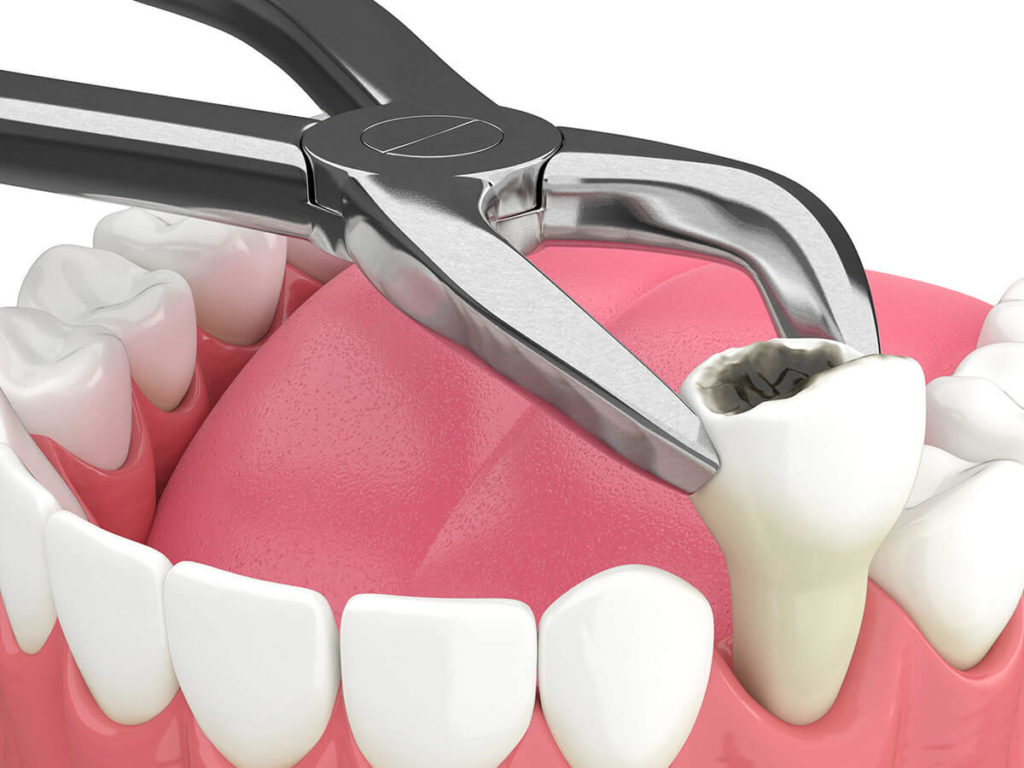
A tooth extraction is a procedure used to remove a tooth that cannot be preserved through other restorative treatments. Extractions may be recommended for teeth affected by severe decay, advanced gum disease, infection, trauma, overcrowding, or other conditions that compromise oral health. Removing a problematic tooth can help prevent further complications and create a healthier foundation for future treatment.
At High Point Dental Partners, we perform tooth extractions—including emergency tooth extractions—with a focus on patient comfort, safety, and long-term oral health. Our team uses advanced technology and personalized treatment planning to ensure the procedure is as efficient and stress-free as possible. When appropriate, we can also discuss tooth replacement options to help restore the function, appearance, and health of your smile after an extraction.
-
When is a tooth extraction necessary?
A tooth extraction may be recommended when a tooth is severely damaged by decay, infection, trauma, or gum disease and cannot be successfully restored with other treatments.
-
Is a tooth extraction painful?
Local anesthesia is used to keep you comfortable during the procedure. Sedation options may also be available for patients with dental anxiety or more complex treatment needs.
-
What can I expect after a tooth extraction?
Some soreness, swelling, and mild discomfort are normal following an extraction. Most patients can return to normal activities within a few days while following post-operative care instructions to support healing.
More questions about tooth extractions?
Ready to address a damaged or problematic tooth and protect your long-term oral health? Contact High Point Dental Partners to learn more about tooth extractions, explore our full range of dental services, or schedule your appointment today.